
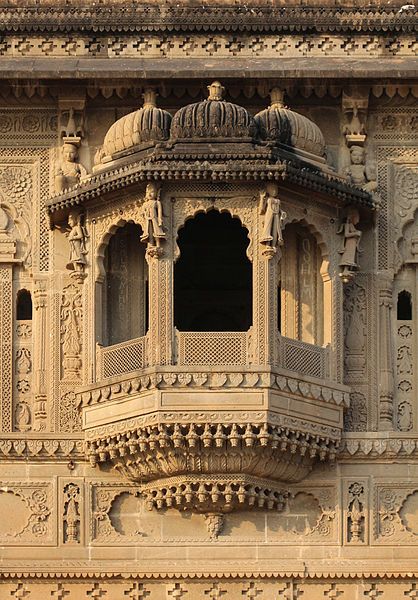
In the heart of northern India lies Awadh, a region celebrated for its refined culture, gracious traditions, artistic expression and remarkable sense of beauty. Centred around the historic city of Lucknow, Awadh developed a cultural identity that continues to influence Indian art, architecture, cuisine, music and fashion. Among its most enduring artistic traditions is Chikankari, a delicate form of embroidery that has become closely associated with Lucknow and the wider cultural heritage of the region.
Chikankari is more than an ornamental craft. Its beauty lies in the patience behind every stitch, the subtlety of its patterns and the quiet elegance of its finished work. To understand why Chikankari holds such a special place in Indian fashion, it is worth looking beyond the embroidery itself and exploring the cultural world in which it flourished.
Understanding the Heritage of Awadh
Awadh was historically known for its sophisticated courtly culture, particularly during the period when Lucknow emerged as an important centre of art, literature and refinement. The Nawabs of Awadh played a significant role in shaping the region’s cultural landscape, encouraging the development of creative traditions and bringing together influences from different parts of India and beyond.
Lucknow, in particular, became known for its tehzeeb, a word often used to describe its distinctive culture of etiquette, grace and civility. This sense of refinement extended into everyday life. From architecture and poetry to clothing and cuisine, there was an appreciation for detail, balance and understated beauty.
This cultural environment created fertile ground for traditional crafts to develop and evolve. Artisans became an essential part of the region’s identity, passing specialised skills from one generation to the next. Chikankari grew within this rich cultural setting, eventually becoming one of the most recognisable artistic expressions associated with Lucknow.
The Origins of Chikankari
The exact origins of Chikankari are often surrounded by different historical accounts and traditions. Some narratives trace the craft back several centuries, while popular stories connect its introduction to the Mughal period and the influence of Persian artistic traditions. Although the precise history is debated, there is broad recognition of the deep relationship between Chikankari and the cultural heritage of Lucknow.
The word Chikankari is commonly associated with the idea of delicate embroidery. Traditionally, the craft involved intricate handwork created on fabric using fine thread. Over time, artisans developed a distinctive vocabulary of stitches and motifs, creating patterns that could be both elaborate and remarkably subtle.
What makes Chikankari particularly distinctive is its restraint. Unlike embroidery that relies heavily on bold colours or dense embellishment, traditional Chikankari often draws attention through texture, light and shadow. The work can appear almost understated from a distance, revealing its intricate details more clearly when viewed closely.
This quiet sophistication reflects something fundamental about the artistic traditions of Awadh: beauty does not always need to be loud to be memorable.
The Art Behind Every Stitch
Traditional Chikankari is a highly skilled craft that requires patience and precision. Depending on the design, artisans may use a variety of stitches to create different textures and visual effects. Some stitches form delicate outlines, while others create floral details, geometric patterns or textured surfaces.
Common stitches associated with Chikankari include the bakhiya, jaali, phanda, murri and keel kangan, among many others. Each technique contributes a different character to the overall design. The jaali technique, for example, is known for its fine, openwork effect, while bakhiya can create delicate shadow work on the fabric.
The motifs themselves often draw inspiration from nature. Flowers, leaves, vines and other botanical forms appear frequently in Chikankari designs. These elements are arranged with a sense of rhythm and balance, allowing the embroidery to complement the fabric rather than overpower it.
The process traditionally begins with a design being drawn or transferred onto the fabric. Artisans then carefully work over the pattern using individual stitches. Once the embroidery is completed, the fabric is washed to remove the printed design, leaving behind the finished embroidery.
This process is a reminder that the true value of Chikankari lies not only in its appearance but also in the craftsmanship behind it.
Why Lucknow Became Synonymous with Chikankari
Over generations, Lucknow became one of the most important centres for Chikankari. The craft became deeply woven into the city’s social and economic fabric, with generations of artisans contributing to its development and preservation.
The relationship between Lucknow and Chikankari is therefore more than a matter of geography. It is a connection shaped by history, craftsmanship and cultural continuity. The city’s identity gave the craft a distinctive home, while Chikankari became one of the artistic traditions through which the character of Lucknow could be expressed.
The influence of Awadh can also be seen in the aesthetic qualities associated with Chikankari. There is a sense of elegance without excess, detail without heaviness and tradition without rigidity. These qualities have allowed the craft to remain relevant even as clothing styles and lifestyles have changed.
From Traditional Craft to Contemporary Fashion
Chikankari has travelled a long way from its traditional roots. While hand embroidery remains central to the craft’s heritage, contemporary fashion has introduced new fabrics, colours, silhouettes and interpretations.
Today, Chikankari can be found on kurtis, kurtas, suits, sarees, dresses, dupattas and other garments. Designers and fashion brands have adapted traditional motifs to suit modern wardrobes, making the craft accessible to a wider audience.
The Chikankari kurti, in particular, has become a popular choice for women who appreciate clothing that combines cultural character with everyday versatility. It can be styled simply for daily wear or accessorised for more polished occasions. The adaptability of the silhouette allows the embroidery to remain the focal point while fitting naturally into contemporary wardrobes.
Modern interpretations have also expanded beyond the traditional white-on-white aesthetic. Pastel shades, earthy tones and vibrant colours have introduced new possibilities while preserving the visual language of delicate embroidery.
Yet, despite these changes, the essence of Chikankari remains rooted in craftsmanship. Its ability to evolve without losing its identity is one of the reasons it continues to hold such a strong place in Indian fashion.
The Cultural Significance of Chikankari Today
In today’s fast-moving fashion landscape, traditional crafts offer something increasingly valuable: a connection to history. Wearing Chikankari is not simply about choosing an embroidered garment. It can also be a way of appreciating a craft that has survived through changing generations and evolving tastes.
The continued popularity of Chikankari also highlights the importance of preserving traditional craftsmanship. Every embroidered piece carries traces of knowledge that have been developed and passed down over time. Supporting authentic craft traditions helps keep these skills relevant and creates opportunities for them to continue into the future.
At the same time, Chikankari demonstrates that heritage and modernity do not have to exist separately. A traditional craft can remain meaningful when it adapts thoughtfully to the way people live today.
This is perhaps the greatest connection between the heritage of Awadh and contemporary fashion. Both value the idea that true elegance is enduring. Trends may change, but thoughtful craftsmanship, comfort and a sense of individuality remain relevant.
A Legacy That Continues to Evolve
The story of Awadh and Chikankari is ultimately a story of cultural continuity. The refined traditions of the region created an environment where craftsmanship could flourish, while generations of artisans transformed delicate embroidery into an enduring artistic tradition.
Today, Chikankari continues to evolve while retaining the qualities that have defined it for generations. Its delicate patterns, intricate techniques and understated beauty make it equally at home in traditional wardrobes and modern fashion.
For those who wear it, Chikankari offers more than decoration. It represents a piece of India’s living heritage, shaped by history, craftsmanship and the enduring appeal of thoughtful design.
The heritage of Awadh reminds us that the most meaningful forms of style are often those that carry a story. In a world where fashion is constantly changing, traditions such as Chikankari offer a sense of continuity, connecting the artistry of the past with the wardrobes of the present.
At Daur Clothing, this connection inspires a philosophy centred on timeless style, everyday comfort, quality and affordability. The enduring appeal of Chikankari reflects the belief that clothing can be beautiful without being fleeting, rooted in tradition while remaining relevant to modern life. When heritage is thoughtfully carried forward, it becomes more than something we preserve; it becomes something we continue to live in, wear and cherish.