
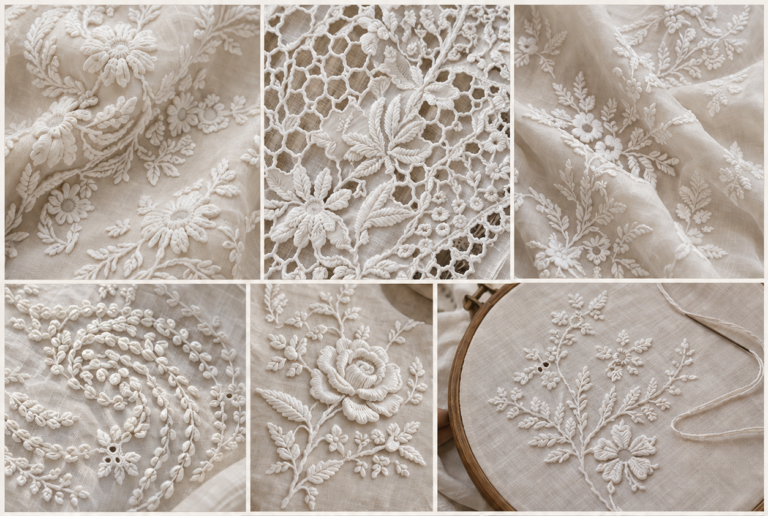
Chikankari is one of India’s most recognisable forms of textile artistry, admired for its delicate embroidery, graceful patterns, and understated elegance. Often associated with the historic city of Lucknow, this craft has found a place in modern wardrobes while retaining the charm of its traditional roots. From flowing kurtis and elegant kurtas to coordinated suits and contemporary ethnic wear, Chikankari clothing offers a versatile way to embrace Indian craftsmanship in everyday dressing.
For someone discovering Chikankari for the first time, however, the world of intricate stitches, fabrics, styles, and finishes can feel overwhelming. What exactly makes a garment Chikankari? How do you choose the right fabric? Which pieces are suitable for everyday wear? And how can you tell whether the embroidery is genuine or simply inspired by the traditional craft? This beginner’s guide covers everything you need to know before adding Chikankari clothing to your wardrobe.
What Is Chikankari?
Chikankari is a traditional embroidery technique known for its fine, intricate needlework. The craft is closely associated with Lucknow and is often referred to as Lucknowi Chikankari. Traditionally, artisans create delicate patterns on fabric using a variety of stitches, producing motifs inspired by flowers, leaves, vines, and other elements of nature.
The beauty of Chikankari lies in its subtlety. Unlike heavily embellished garments that rely on sequins, beads, or bold decoration, Chikankari embroidery creates visual interest through texture and detail. The result is often elegant without appearing excessive, making it suitable for both everyday clothing and more occasion-focused outfits.
Today, Chikankari clothing encompasses a wide range of styles. While traditional techniques remain important, contemporary designs have adapted the craft for modern wardrobes, introducing new silhouettes, colours, fabrics, and ways of styling the embroidery.
Understanding Chikankari Embroidery
One of the first things beginners should understand is that Chikankari is not simply a printed pattern. Traditional Chikankari is created through embroidery, with individual stitches forming intricate designs on the fabric.
Common Chikankari Stitches
Chikankari involves several types of stitches, each contributing a different texture and appearance. Some create delicate outlines, while others add depth and dimension to floral or geometric motifs.
Common stitches associated with the craft include:
- Tepchi: A simple running stitch often used to create outlines and linear patterns.
- Bakhiya: Also known as shadow work, this technique creates a subtle, layered appearance.
- Jaali: A delicate open-work technique that gives the embroidery a lace-like quality.
- Phanda: A small knot-like stitch often used as a decorative detail.
- Murri: A tiny rice-shaped stitch traditionally used to create texture within floral motifs.
You do not need to memorise every stitch to appreciate Chikankari. However, understanding that the craft involves a variety of techniques helps you recognise the skill and detail behind a beautifully embroidered garment.
Choosing the Right Fabric
The fabric of a Chikankari garment can significantly affect its appearance, comfort, and suitability for different occasions. The same embroidery can look completely different depending on the material it is worked on.
Cotton
Cotton is a popular choice for warm weather and everyday dressing. It is breathable, comfortable, and practical, making cotton Chikankari clothing particularly suitable for casual outings and regular wear.
Rayon
Rayon offers a soft, fluid drape and a comfortable feel, making it a versatile option for contemporary Chikankari kurtis. Its smooth fall gives the garment a polished appearance while maintaining an easy-to-wear quality.
Georgette and Chiffon
Lightweight fabrics such as georgette and chiffon are often associated with more flowing and occasion-oriented styles. They can create an elegant silhouette, particularly when used for dupattas, suits, and festive outfits.
Muslin and Other Lightweight Fabrics
Lightweight fabrics are valued for their softness and breathability. Depending on the weave and construction, they can offer a relaxed, delicate appearance that complements the fine nature of Chikankari embroidery.
When choosing fabric, consider more than just appearance. Think about the climate, how frequently you plan to wear the garment, how it feels against your skin, and the level of care it requires.
How to Choose Your First Chikankari Garment
If you are new to Chikankari clothing, a kurti is one of the easiest places to begin. It is versatile, relatively simple to style, and can transition between casual and semi-formal settings.
Look for a design that complements your existing wardrobe. A white or neutral Chikankari kurti can be particularly versatile, while pastel shades offer a soft, contemporary look. If you prefer more expressive dressing, jewel tones and brighter colours can add personality without taking away from the embroidery.
Pay attention to the embroidery as well as the overall silhouette. Consider whether the motifs are evenly distributed, whether the fabric feels comfortable, and whether the garment fits naturally through the shoulders and body.
The best choice is ultimately one that you will genuinely enjoy wearing. Chikankari is at its most appealing when the craftsmanship and the garment itself work together to create effortless style.
How to Style Chikankari Clothing
One of the greatest strengths of Chikankari is its versatility. A single garment can be styled in several ways depending on the occasion.
For an everyday look, pair a Chikankari kurti with straight trousers, cigarette pants, or comfortable leggings. Keep accessories minimal and choose simple footwear such as juttis, flats, or sandals.
For a more polished appearance, add statement earrings, a structured handbag, and elegant footwear. A contrasting dupatta can also introduce colour and create a more layered look.
Chikankari clothing can also work beautifully with contemporary pieces. Try pairing a longer embroidered kurti with wide-leg trousers or styling a shorter silhouette with denim for a relaxed Indo-western outfit. The key is to let the embroidery remain the focal point rather than overwhelming it with too many accessories.
Chikankari for Different Occasions
Chikankari is remarkably adaptable, which is one reason it continues to appeal to modern wardrobes.
For everyday wear, choose breathable fabrics, comfortable silhouettes, and lighter embroidery. These pieces are ideal for work, shopping, casual lunches, or running errands.
For workwear, opt for refined colours and understated patterns. Pair a well-fitted kurti with tailored trousers and keep your accessories sophisticated and minimal.
For festive occasions, look for richer colours, more detailed embroidery, or flowing silhouettes. Adding a dupatta and traditional jewellery can instantly elevate the outfit.
For special events, Chikankari suits and coordinated sets can offer a graceful alternative to heavily embellished ethnic wear. The intricate craftsmanship provides visual interest while maintaining a sense of elegance.
How to Care for Chikankari Clothing
Proper care is essential for preserving embroidered garments. Always check the care label first, as the recommended method may vary depending on the fabric and embroidery.
Delicate Chikankari pieces may benefit from gentle hand washing or professional cleaning. Avoid harsh detergents and excessive rubbing, particularly around embroidered areas. When drying, keep delicate garments away from prolonged direct sunlight if the fabric or colour is sensitive.
Store embroidered clothing carefully to prevent snagging. Folding heavier pieces neatly or hanging suitable garments with enough space can help maintain their shape and finish.
With thoughtful care, a well-made Chikankari garment can remain part of your wardrobe for years, making it a meaningful addition rather than a short-lived trend.
How to Recognise Quality Chikankari
Quality is not determined by the amount of embroidery alone. A beautifully made garment should feel balanced, with embroidery that complements the fabric and construction.
Look closely at the stitching. The embroidery should appear neat and intentional, with motifs that are clearly defined. The fabric should feel appropriate for the garment’s purpose, and the seams should be properly finished.
It is also worth understanding the difference between hand embroidery and machine-made designs. Handcrafted Chikankari carries the individual character of artisan work, while machine embroidery can offer consistency and affordability. Neither necessarily serves the same purpose, so the right choice depends on your priorities, budget, and appreciation for craftsmanship.
Why Chikankari Remains Timeless
Fashion trends change constantly, but Chikankari has a quality that allows it to move between generations and styles. Its delicate motifs, comfortable silhouettes, and connection to Indian craftsmanship give it a lasting appeal.
Perhaps its greatest strength is versatility. Chikankari can be traditional or contemporary, understated or expressive, casual or occasion-ready. It does not demand a particular age or personal style. Instead, it adapts to the person wearing it.
For beginners, the best way to explore Chikankari is simply to start with something that feels natural to your wardrobe. Choose a fabric you find comfortable, a colour you genuinely enjoy, and a silhouette you know you will wear. From there, you can gradually discover the many forms this beautiful craft has to offer.
Conclusion
Chikankari clothing is more than an elegant addition to an ethnic wardrobe. It represents the meeting of craftsmanship, comfort, culture, and enduring style. Whether you begin with a simple everyday kurti or explore more detailed festive pieces, understanding the fabric, embroidery, fit, and care behind each garment allows you to appreciate the craft on a deeper level. Most importantly, Chikankari offers the freedom to dress beautifully without relying on fleeting trends.
At Daur Clothing, this spirit of thoughtful dressing is reflected in a philosophy centred on timeless style, everyday comfort, quality, and affordability. The aim is not simply to follow what is fashionable today, but to curate pieces that feel relevant, wearable, and meaningful over time. Because the most enduring style is often the kind that feels effortlessly yours, season after season.