
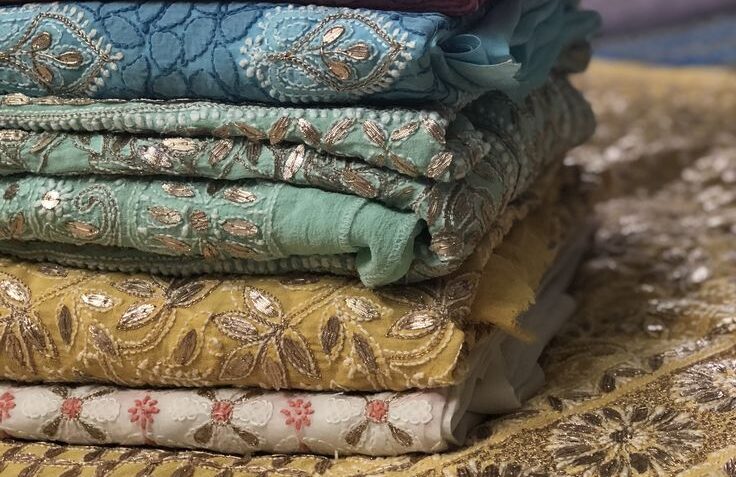
Fashion trends may come and go, but some traditions have a way of remaining relevant across generations. Chikankari is one of them. Delicate, graceful and deeply connected to India’s rich textile heritage, Chikankari clothing has continued to hold a special place in Indian wardrobes. From traditional kurtas and elegant chikankari suits to contemporary dresses and everyday kurtis, this intricate embroidery has adapted beautifully to changing tastes without losing its original charm.
What makes Chikankari particularly special is its ability to feel both familiar and fresh. It carries the beauty of traditional Indian craftsmanship while fitting naturally into modern lifestyles. Whether worn for a festive gathering, a day at work, a family occasion or simply as comfortable everyday wear, Chikankari offers an effortless elegance that appeals to women of different ages and personal styles.
The Timeless Appeal of Chikankari
Chikankari has a visual quality that rarely feels dated. Its delicate patterns, subtle textures and graceful detailing create an understated form of elegance rather than relying on excessive embellishment. This makes it remarkably versatile and easy to wear.
Unlike heavily embroidered garments that may be reserved for specific occasions, Chikankari pieces can transition between different settings. A simple white kurti paired with trousers can create a polished daytime look, while the same style can be dressed up with traditional jewellery and footwear for an evening gathering.
This versatility is one of the reasons Chikankari clothing has remained a favourite. It allows women to enjoy the richness of Indian craftsmanship while dressing in a way that feels comfortable and contemporary.
A Craft Rooted in Indian Heritage
Chikankari is closely associated with Lucknow and is recognised as one of India’s most distinctive embroidery traditions. The craft is known for its intricate needlework, with delicate stitches used to create floral motifs, paisleys, vines and other patterns across fabric.
Historically, Chikankari was created by hand, with skilled artisans carefully working each design into the cloth. The process requires patience, precision and an understanding of the relationship between the fabric and the embroidery. Even today, the craft carries the cultural significance of generations of artistic knowledge.
This connection to heritage adds a deeper meaning to Chikankari clothing. Wearing it is not simply about following a fashion trend. It is also a way of appreciating a traditional Indian craft that has continued to evolve while retaining its distinctive identity.
Why Chikankari Fits Modern Indian Wardrobes
One of the greatest strengths of Chikankari is its adaptability. Modern Indian fashion is increasingly about combining comfort, practicality and personal expression, and Chikankari naturally fits into this shift.
Today’s women often want clothing that can work across different parts of their lives. A garment may need to be comfortable enough for a busy day, polished enough for work and elegant enough for an informal social occasion. Chikankari clothing often meets these needs through its understated detailing and versatile silhouettes.
The embroidery can be found on a variety of fabrics, including cotton, rayon and other lightweight materials. Depending on the fabric and design, Chikankari can be styled for different seasons and occasions. This flexibility makes it easy to incorporate into a wardrobe without feeling restricted to one particular aesthetic.
From Traditional to Contemporary
Chikankari has also evolved alongside Indian fashion. While traditional silhouettes remain popular, contemporary interpretations have introduced new cuts, colours and styling possibilities.
A classic embroidered kurta can now be paired with straight trousers, denim or wide-leg pants. A traditional Chikankari suit can be styled with minimalist jewellery for a refined appearance, while pastel shades and modern silhouettes can create a softer, more contemporary look.
This ability to bridge the traditional and the modern has helped Chikankari remain relevant. It does not require a complete commitment to conventional dressing. Instead, it can be adapted to reflect individual preferences.
The Beauty of Subtle Embroidery
There is something inherently appealing about clothing that does not need to be loud to make an impression. Chikankari is a perfect example of this philosophy.
Its beauty often lies in the details. A closer look reveals carefully placed motifs, delicate stitches and subtle patterns that add character without overwhelming the garment. This makes Chikankari particularly appealing to those who prefer an elegant and refined approach to fashion.
The simplicity of the embroidery also allows the wearer to experiment with accessories. A minimal outfit can be complemented with statement earrings, a colourful dupatta or traditional footwear. Alternatively, the look can remain understated with delicate jewellery and neutral accessories.
This balance between simplicity and detail gives Chikankari a timeless quality that works across different personal styles.
Chikankari for Every Occasion
Another reason for the enduring popularity of Chikankari clothing is its versatility across occasions.
For everyday dressing, a comfortable Chikankari kurti can offer an easy combination of style and practicality. Light fabrics and relaxed silhouettes make it suitable for errands, casual outings or a day spent with family.
For the workplace, understated embroidery paired with tailored trousers or a structured handbag can create a polished appearance without appearing overly formal. The result is professional yet distinctly Indian.
For celebrations and festive occasions, Chikankari can be elevated through richer colours, layered styling and traditional accessories. A beautifully embroidered suit or kurta can create an elegant festive look while maintaining the graceful character associated with the craft.
The same embroidery tradition can therefore take on different personalities depending on how it is styled.
The Growing Appreciation for Indian Craftsmanship
In recent years, there has been a growing appreciation for traditional Indian crafts and textile techniques. Consumers are becoming more interested in understanding the stories, skills and cultural traditions behind the clothing they choose.
This renewed interest has contributed to the continued popularity of crafts such as Chikankari. The appeal is no longer limited to the finished appearance of a garment. There is also an appreciation for the craftsmanship and heritage that it represents.
At the same time, contemporary fashion has made traditional crafts more accessible to younger audiences. Modern colours, updated silhouettes and versatile styling have allowed Chikankari to become part of wardrobes that may otherwise combine Indian and Western influences.
This evolution demonstrates that preserving tradition does not necessarily mean keeping it unchanged. Sometimes, a craft remains relevant precisely because it can adapt to the people and lifestyles of each new generation.
Choosing Chikankari That Feels Right for You
When choosing Chikankari clothing, personal style and comfort should be just as important as appearance. Consider the fabric, fit, embroidery density and colour before making a choice.
For everyday wear, breathable fabrics and comfortable silhouettes are often the most practical. Subtle embroidery can provide enough detail to make the outfit distinctive without making it difficult to style.
For occasions, you may prefer more intricate embroidery or richer colours. However, the most versatile pieces are often those that can be styled in more than one way. A well-chosen Chikankari garment should feel natural in your wardrobe rather than being reserved for a single event.
Quality is another important consideration. Well-finished embroidery, comfortable fabric and careful construction can make a significant difference to how a garment looks and feels over time. Choosing thoughtfully can help ensure that the piece remains a valued part of your wardrobe for years to come.
A Tradition That Continues to Evolve
The enduring popularity of Chikankari is ultimately a reflection of its ability to evolve without losing its identity. It remains connected to Indian heritage, yet it continues to find new expressions through contemporary fashion.
Its appeal lies in this balance. Chikankari offers craftsmanship without excess, tradition without rigidity and elegance without sacrificing comfort. It can be deeply cultural while still feeling completely at home in a modern wardrobe.
As Indian fashion continues to change, Chikankari is likely to remain relevant because its appeal goes beyond seasonal trends. It represents a way of dressing that values detail, craftsmanship and quiet elegance.
Chikankari clothing continues to be a favourite because it brings together qualities that are difficult to replace: cultural richness, graceful design, versatility and an enduring sense of style. Whether chosen as an everyday kurti or an outfit for a special occasion, it offers a connection between India’s textile traditions and the way women dress today.
At Daur Clothing, this enduring spirit reflects a belief in fashion that feels relevant beyond the moment: timeless style, everyday comfort, considered quality and affordability. The most meaningful pieces are often those that become part of our lives naturally, offering the confidence to dress beautifully while staying true to what feels comfortable and authentic. In the end, true style is not about following time, but about finding pieces that stand the test of it.