
Some forms of fashion are defined by trends. Others become part of a culture, carried quietly from one generation to the next. Chikankari belongs to the latter. Recognised for its delicate needlework, graceful motifs and understated beauty, this intricate embroidery has travelled through centuries of Indian history to find a place in contemporary wardrobes around the world.
Today, Chikankari can be seen on everything from traditional kurtas and sarees to contemporary dresses, co-ord sets and modern everyday silhouettes. Yet beneath its changing forms lies a craft deeply connected to India’s textile heritage. Its journey from royal courts to modern fashion is a story of cultural exchange, skilled craftsmanship and the remarkable ability of traditional art to evolve without losing its identity.
The Mughal-Era Roots of Chikankari
The precise origins of Chikankari are not entirely certain. Several theories exist, including connections to Persian influences and older Indian embroidery traditions. The craft is, however, strongly associated with the Mughal period, with historical accounts and popular tradition linking its development to the Mughal court and the patronage of Nur Jahan, the wife of Emperor Jahangir. The Government of India’s handicrafts portal notes that while the origins remain debated, the craft flourished during this period and was traditionally characterised by delicate white-on-white embroidery.
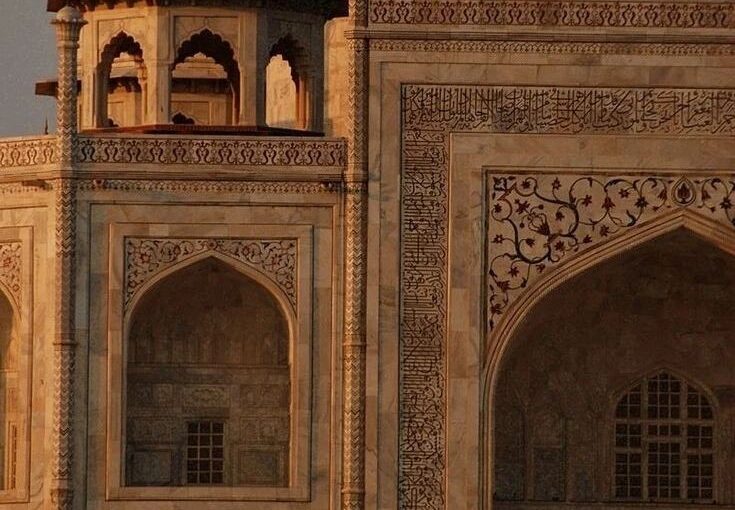
The Mughal courts were renowned for their appreciation of textiles, architecture, gardens and decorative arts. Within this refined cultural environment, intricate needlework found an ideal setting. Chikankari’s subtle elegance distinguished it from more ornate forms of embellishment. Rather than relying on heavy ornamentation, it created beauty through fine stitches, delicate patterns and the interplay of light and texture.
This early association with royal patronage helped establish Chikankari as a craft of sophistication. Over time, however, its story moved beyond palace walls.
From Royal Patronage to Lucknow’s Living Craft Tradition
As political and cultural centres changed, Chikankari became increasingly associated with Lucknow and the wider Awadh region. The craft developed into an important part of the city’s cultural identity, supported by local patronage and sustained by generations of artisans.
Lucknow eventually became the heart of Chikankari production. The craft was no longer restricted to elite wardrobes. Its delicate embroidery began appearing on garments worn by a much wider section of society, allowing the tradition to become part of everyday life.
The transition was significant. A craft that had once been connected with courtly refinement gradually became accessible to ordinary wearers while retaining its association with elegance. This balance between beauty and practicality is one of the reasons Chikankari has remained relevant for so long.
The National Crafts Museum describes Lucknow Chikankari as a distinctive form of hand embroidery traditionally worked in white thread on white fabric. It also highlights the craft’s complex stitch vocabulary and the importance of the artisans who have preserved it over generations.
The Art Behind Every Stitch
One of the most fascinating aspects of Chikankari is the craftsmanship hidden within its seemingly effortless appearance.
Traditional Chikankari involves a detailed process that may include designing, block printing the pattern onto the fabric, embroidery and subsequent washing and finishing. The embroidery itself uses a range of stitches, each creating a different texture or visual effect. Among the recognised techniques are Bakhiya, Tepchi, Murri, Phanda and Jali.
Some stitches create delicate lines, while others produce raised details or intricate openwork. Jali, for example, creates a lace-like effect by carefully manipulating the threads of the fabric. Bakhiya, often associated with shadow work, allows embroidery to create subtle depth and dimension.
The beauty of the craft lies partly in its restraint. A well-executed piece does not need excessive decoration to attract attention. The detail reveals itself gradually, encouraging the eye to appreciate the work more closely.
This is also why handmade Chikankari carries a distinctive character. Small variations in stitching and texture can reflect the human hand behind the work, making each piece feel connected to the artisan who created it.
How Chikankari Began to Change
Like every living craft, Chikankari has evolved with time.
Traditionally, the craft was closely associated with white threadwork on light-coloured fabrics, particularly fine cotton and muslin. The classic white-on-white aesthetic remains one of its most recognisable expressions, celebrated for its softness and understated sophistication.
Modern fashion, however, has expanded the possibilities considerably. Chikankari is now found in a broader range of colours, fabrics and garment styles. Pastel shades, deeper tones and vibrant hues have introduced new dimensions to the craft, while contemporary materials have made it suitable for different seasons and occasions.
The transformation has also extended to silhouettes. The traditional kurta remains a staple, but Chikankari now appears on dresses, tunics, sarees, skirts, jackets, co-ord sets and other contemporary garments. This shift has allowed the craft to become part of modern wardrobes without abandoning its distinctive visual language.
The evolution is not simply about following fashion trends. It reflects a broader change in the way people approach traditional clothing. Today, many women want garments that combine cultural identity with comfort, versatility and personal style. Chikankari fits naturally into this space.
Chikankari in Modern Fashion
Contemporary fashion has given Chikankari a new audience.
The rise of relaxed silhouettes and interest in artisanal craftsmanship has made delicate embroidery particularly relevant. A Chikankari kurti, for instance, can be styled with trousers for a polished everyday look, paired with traditional bottoms for a more classic appearance, or layered with modern accessories to create a fusion outfit.
The same versatility applies to other garments. A simple embroidered dress can move effortlessly from daytime occasions to evening gatherings, while a richly detailed saree can bring traditional craftsmanship into contemporary celebrations.
Fashion designers and independent labels have also experimented with combining Chikankari with other forms of embellishment, fabrics and silhouettes. This has helped introduce the craft to younger audiences who may appreciate heritage clothing but prefer modern proportions and styling.
The result is a fascinating meeting point between tradition and contemporary fashion. The embroidery remains rooted in its history, while the garments around it continue to change.
Why Chikankari Continues to Feel Timeless
Perhaps the most remarkable part of Chikankari’s evolution is that its appeal has never depended entirely on fashion cycles.
Trends change quickly. Colours come and go, silhouettes are reinterpreted and seasonal aesthetics constantly shift. Chikankari, however, has a quality that allows it to adapt without becoming unrecognisable.
Its appeal comes from the relationship between craftsmanship and simplicity. The embroidery adds character without overwhelming the garment. It can feel traditional without appearing dated, and elegant without becoming excessively formal.
There is also an emotional dimension to wearing a craft with such a long history. Every embroidered motif represents a tradition of skill that has been passed through generations. When worn today, Chikankari becomes more than decoration. It becomes a connection between the past and the present.
Its recognition as a Geographical Indication associated with Lucknow further acknowledges the importance of the region to this living craft tradition. At the same time, the continued presence of Chikankari in contemporary fashion demonstrates that heritage is not something that has to remain frozen in the past.
The Future of an Enduring Craft
The future of Chikankari depends on its ability to remain relevant while respecting the craftsmanship that gives it meaning. As demand for traditional embroidery grows, there is an increasing need to value skilled artisans, encourage quality craftsmanship and distinguish genuine handwork from mass-produced imitations.
Modern fashion has an important role to play in this process. By introducing Chikankari to new generations through wearable, versatile designs, contemporary clothing can help ensure that the craft continues to be appreciated rather than simply remembered.
From the Mughal courts to the streets of Lucknow, and from traditional wardrobes to modern fashion collections, Chikankari has demonstrated an extraordinary ability to evolve. Its journey is not about leaving history behind. It is about carrying history forward in a form that continues to feel meaningful today.
Chikankari’s enduring appeal lies in the harmony between heritage and everyday life. For Daur Clothing, this spirit reflects a philosophy centred on timeless style, everyday comfort, quality and affordability, where thoughtfully chosen pieces are meant to remain relevant beyond a single season or passing trend. The craft reminds us that clothing can be both beautiful and practical, rooted in tradition yet entirely at home in the present.
Perhaps that is the true evolution of Chikankari: not a departure from its past, but a graceful continuation of it, one thoughtful stitch at a time.